Exploring the Benefits of Chrome Plating in China Top Industries?
Chrome plating is gaining recognition in various industries across China. The benefits of chrome plating are appreciated for enhancing the durability and aesthetic appeal of products. As noted by industry expert John Smith, "The advantages of chrome plating go beyond just looks; it significantly improves performance."
In China, this technique is particularly beneficial in sectors such as automotive, aerospace, and manufacturing. Chrome plating offers protective coatings that resist corrosion and wear, extending the life of components. For instance, in automotive applications, chrome plating can make parts more resilient to harsh conditions, improving vehicle longevity.
However, despite its advantages, the process requires careful consideration. Not all chrome plating methods are created equal, and some may have environmental implications that need addressing. Industries must reflect on the balance between the benefits of chrome plating and its potential environmental impact. Engaging with the right experts and technologies is crucial for optimizing these benefits while minimizing drawbacks.
Advantages of Chrome Plating in Chinese Manufacturing Sectors
Chrome plating has emerged as a critical process in several Chinese manufacturing sectors. This technique offers a durable coating that enhances the surface of various materials. It's particularly valuable in the automotive and aerospace industries. The shiny finish not only adds aesthetic appeal but also improves corrosion resistance.
In industries where precision is vital, chrome plating is indispensable. It increases wear resistance and extends the lifespan of components. This is crucial for manufacturers aiming for quality and longevity. However, the process does come with challenges. It's essential to manage waste properly to minimize environmental impact. Many factories are questioning the sustainability of their practices. Industry leaders must find a balance between efficiency and eco-friendliness.
The benefits of chrome plating can be significant, but oversights happen. Some manufacturers underestimate the importance of proper surface preparation. Inadequate preparation can lead to poor adhesion and premature failure of the coating. Continuous training and awareness are necessary to ensure quality outcomes. The pursuit of excellence in chrome plating remains a work in progress for many sectors in China.
Exploring the Benefits of Chrome Plating in China Top Industries
This chart demonstrates the various advantages of chrome plating reported by key manufacturing sectors in China. The data reflects the perceived benefits that chrome plating brings to these industries, showcasing its importance in enhancing product durability, aesthetic appeal, corrosion resistance, and cost-effectiveness.
Applications of Chrome Plating Across Various Industries in China
Chrome plating, recognized for its durability and aesthetic appeal, has transformative applications across various industries in China. In the automotive sector, chrome plating enhances the resilience of components against corrosion and wear. For instance, a report from the China Automotive Technology and Research Center indicates that up to 30% of vehicle parts utilize chrome plating to improve longevity. This not only enhances vehicle performance but also boosts customer satisfaction.
In the machinery manufacturing industry, chrome plating is crucial in reducing friction on components. A study published by the China Machinery Industry Federation highlights that chrome-plated surfaces can reduce wear by 40%, leading to increased efficiency and reduced maintenance costs. Such data emphasize the practical advantages that chrome plating brings to complex machinery.
However, the process does involve environmental concerns. Proper disposal of chromic acid and other chemicals must be managed effectively. Some factories struggle with compliance with environmental regulations. Sustainability practices in this area require continual improvement and reflection. As industries innovate, addressing these challenges will be key in maximizing the benefits of chrome plating while protecting the environment.
Environmental Considerations of Chrome Plating Processes in China
Chrome plating has become prevalent in various top industries in China, particularly in automotive, aerospace, and metal manufacturing. However, the environmental impact of chrome plating processes raises some concerns. Hexavalent chromium, a toxic compound often found in chrome plating, poses serious health risks. According to a report by the Ministry of Ecology and Environment of China, about 14% of industrial waste comes from electroplating processes, which includes chrome plating.
The waste generated can contaminate soil and water, impacting communities. It is crucial for companies to adopt sustainable practices. Advanced treatment technologies can minimize emissions and waste. For instance, closed-loop systems can significantly reduce harmful discharges and conserve water. Some industry experts suggest that an investment in greener technologies can lead to long-term cost savings.
Tip: Regularly review your plating processes to identify waste reduction opportunities. Implementing stricter quality controls can also ensure compliance with environmental standards. Balancing production efficiency with eco-friendly practices is essential for a sustainable future. While chrome plating offers many benefits, the potential environmental impacts must not be overlooked. Continuous improvement should be a priority.
Technological Innovations in Chrome Plating Techniques for Industry
The technological innovations in chrome plating techniques are redefining the manufacturing landscape in China’s top industries. Advancements in electrodeposition processes allow for thinner, more uniform coatings. This not only enhances durability but also promotes environmental sustainability. Industry reports indicate that chrome plating can improve corrosion resistance by up to 50%. Such properties are particularly valuable in the automotive and aerospace sectors.
Several methods, including pulse plating and hard chrome processes, have emerged. These techniques offer greater control over thickness and surface finish. The implementation of automated systems has also increased efficiency, achieving up to 30% more output with less waste. However, the investment in this technology may pose a barrier for smaller businesses.
**Tip:** Regular maintenance of plating equipment can prevent costly downtimes and maintain product quality.
Despite these advancements, challenges persist. Compliance with environmental regulations continues to be a concern. The release of toxic compounds remains a critical issue. Companies must be diligent about adopting eco-friendly practices. Exploring alternative materials can also mitigate risks associated with chrome usage.
**Tip:** Consider training staff on the latest techniques to enhance skill sets and operational efficiency.
Future Trends and Developments in Chrome Plating Within China’s Economy
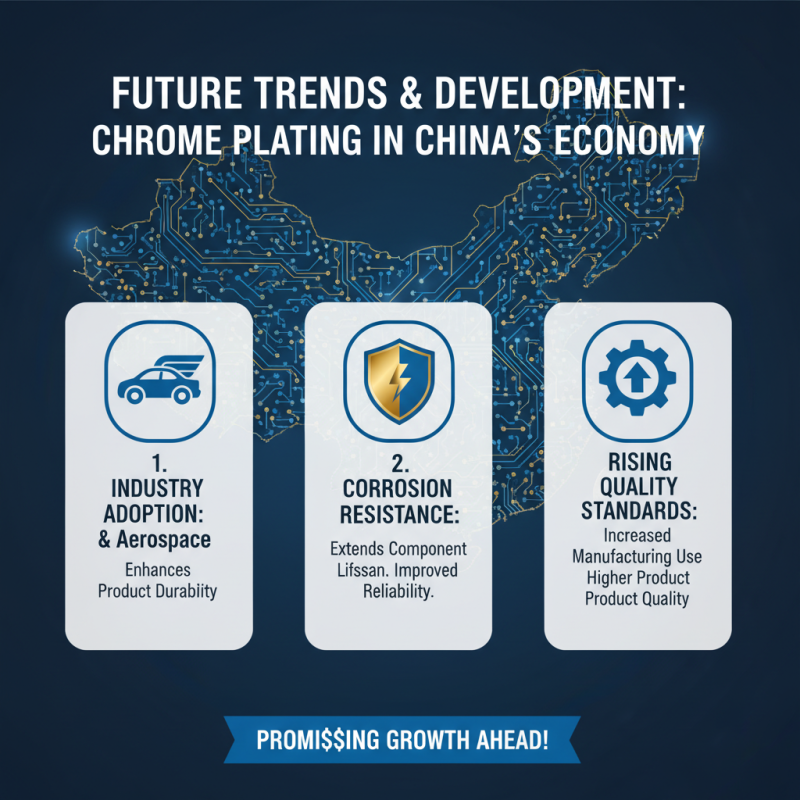
The future of chrome plating in China’s economy looks promising, with several trends shaping its development. Industries such as automotive and aerospace increasingly rely on this process to enhance product durability. Chrome plating provides excellent resistance to corrosion, which prolongs the lifespan of components. As quality standards rise, manufacturers are adopting chrome plating more frequently.
Sustainability is becoming a focal point in chrome plating practices. There is growing pressure to reduce environmental impacts. New technologies are emerging that lower waste and energy consumption during plating. These advancements offer not just cost savings but also more eco-friendly solutions. Companies are questioning traditional methods and searching for better alternatives.
Another trend is the rise of customization. As consumer preferences shift towards unique designs, chrome plating allows for greater creativity. Personalized finishes are becoming more popular, driving demand in various sectors. However, this customization can lead to challenges in meeting production targets while maintaining quality. The balance between personal appeal and operational efficiency is critical for future growth.