Top 10 Benefits of Chrome and Nickel Plating for Industrial Applications?
In today’s industrial landscape, **chrome and nickel plating** play a pivotal role in enhancing the durability and aesthetics of various products. According to a recent report by the International Plating Association, the global market for chrome and nickel plating is expected to grow significantly, driven by rising demand in automotive and aerospace sectors. Industry expert Dr. John Thompson states, “Implementing robust plating techniques dramatically increases component lifespan.”
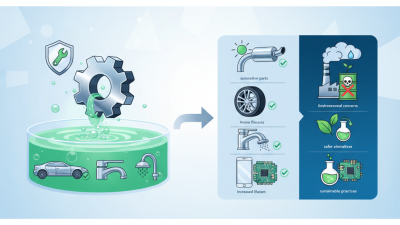
However, challenges remain. The environmental impact of plating processes calls for careful management. Companies must navigate complex regulations and consider sustainable practices. While many practices have improved, the road to perfection is ongoing. The use of **chrome and nickel plating** involves trade-offs between aesthetics and ecological footprints.
Understanding the benefits and limitations of these processes is essential. Both chrome and nickel plating offer corrosion resistance and improved surface hardness, but they may also present drawbacks. As industries evolve, embracing the merits and addressing the concerns related to **chrome and nickel plating** will shape the future of manufacturing.
Advantages of Enhanced Corrosion Resistance through Chrome and Nickel Plating
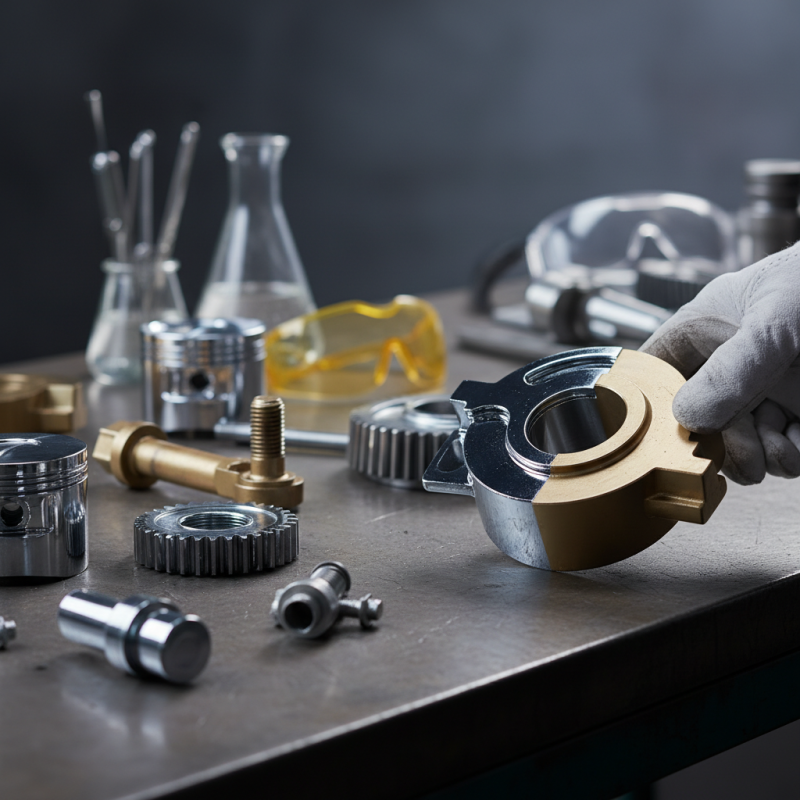
Chrome and nickel plating have become essential for enhancing corrosion resistance in various industrial applications. According to a 2021 industry report, over 70% of manufacturers face challenges with corrosion-related damage. This is a significant issue since corrosion not only degrades materials but also incurs high maintenance costs. Chrome and nickel plating effectively address this problem. These coatings create a barrier that protects metal surfaces from moisture and harmful environmental factors.
Moreover, test results show that chromed and nickel-plated surfaces can resist corrosion up to three times longer than untreated metals. This longevity leads to increased equipment lifespans and lower replacement rates. Additionally, the aesthetic appeal of these coatings often results in higher market value for finished products. However, some companies still hesitate to adopt these methods due to initial costs. The upfront investment is crucial for long-term savings in maintenance and repairs.
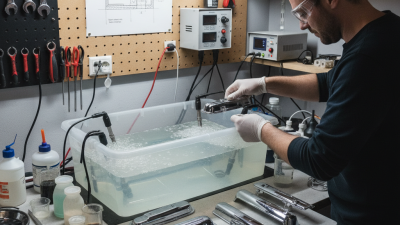
Even so, some challenges exist. The plating process requires precise control of conditions. Inconsistent application can lead to uneven surfaces, which may undermine protective benefits. Furthermore, there is a learning curve involved for workers to master these techniques effectively. Overall, the advantages offered by chrome and nickel plating significantly outweigh these potential drawbacks when approached with diligence and expertise.
Top 10 Benefits of Chrome and Nickel Plating for Industrial Applications
| Benefit |
Description |
| Corrosion Resistance |
Offers superior protection against rust and degradation in harsh environments. |
| Wear Resistance |
Increases the lifespan of components by reducing friction and wear. |
| Aesthetic Appeal |
Provides a shiny, reflective finish that enhances the visual appearance of products. |
| Thermal Conductivity |
Improves heat dissipation in electronic and thermal applications. |
| Chemical Resistance |
Resists degradation from exposure to various chemicals and solvents. |
| Electrical Conductivity |
Provides excellent conductivity for electrical components and circuits. |
| Thickness Control |
Allows for precise control over plating thickness for tailored applications. |
| Environmental Stability |
Maintains performance under a variety of environmental conditions. |
| Cost-Effectiveness |
Extends the life of components, reducing replacement and maintenance costs. |
| Versatile Applications |
Suitable for various industries, including automotive, aerospace, and electronics. |
Improved Wear Resistance for Extended Lifespan of Industrial Components
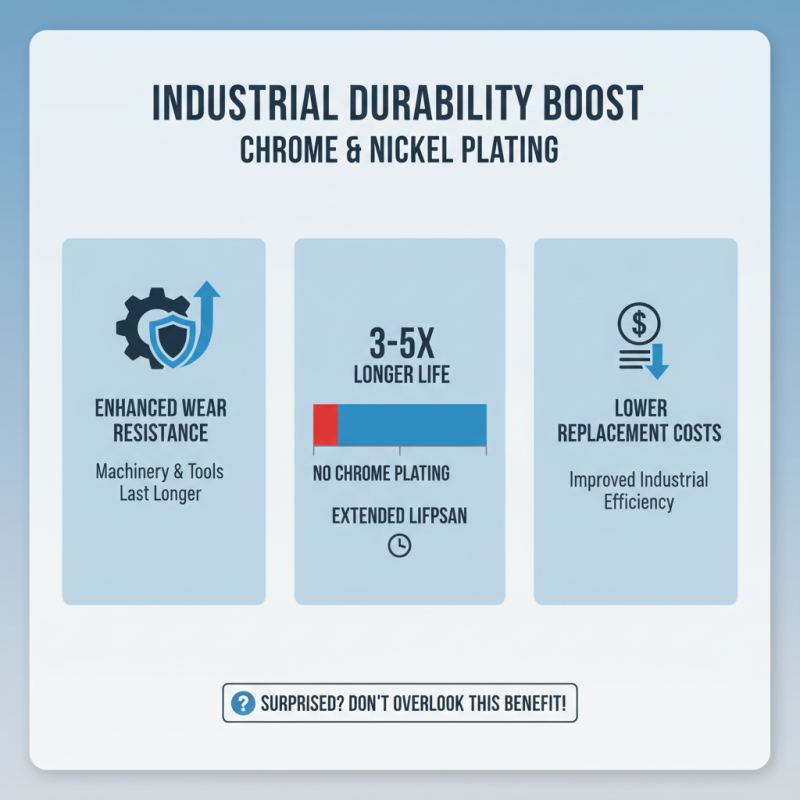
Chrome and nickel plating significantly enhance wear resistance in industrial components. This improvement extends the lifespan of machinery and tools, a critical factor in industrial efficiency. According to industry data, components with chrome plating can last 3 to 5 times longer than those without it. This increase in durability translates to lower replacement costs. Surprised? Many industries overlook this benefit.
Wear on machinery can lead to costly downtime. Reports show that unprotected parts contribute to nearly 30% of operational inefficiencies. Chrome plating minimizes this risk. It forms a hard surface that withstands friction and corrosion. For example, hydraulic cylinders often suffer wear from particulate contamination. A chrome-plated surface can mitigate this wear significantly, improving performance in harsh environments.
However, challenges remain. The initial cost of chrome and nickel plating can be high. Not all components are suitable for plating. Companies must evaluate whether the long-term savings outweigh these initial investments. Some components may require additional treatments to optimize adhesion. This complexity can lead to missteps, emphasizing the importance of careful planning. Not every organization has mastered this process.
Aesthetic Appeal: How Plating Enhances Surface Finish and Appearance
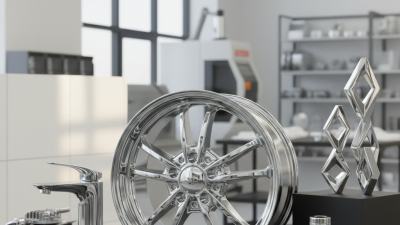
Chrome and nickel plating dramatically improves surface finish and appearance, making it a popular choice in industrial applications. The shiny, reflective surfaces enhance the aesthetic appeal of components. This visual upgrade can transform ordinary parts into eye-catching elements. Such surfaces often catch the eye, drawing attention to the products they comprise. However, some might question durability versus beauty.
On the one hand, the plating adds a sleek look that can elevate a brand's image. On the other hand, if not done correctly, the plating could wear off or discolor over time. This leads to an important reflection: while aesthetics are crucial, reliability must not be overlooked. Proper preparation and technique are essential in achieving the desired results. A poorly executed plating job may exacerbate flaws rather than conceal them.
Beyond looks, chrome and nickel plating offers corrosion resistance. This characteristic maintains the aesthetic appeal over time. Yet, not all industrial applications benefit equally from added shine. Some industries may prioritize functionality over appearance. Understanding this balance is important for any manufacturer. Investing in the right plating process ultimately reinforces both beauty and performance.
Cost-Effectiveness: Long-Term Savings Through Reduced Maintenance and Replacement
Chrome and nickel plating are essential in various industrial applications. They provide significant cost-effectiveness, primarily through reduced maintenance and replacement. The durability of plated surfaces often translates to fewer repairs over time. This leads to lower operational costs, which many businesses find appealing.
Routine maintenance can be costly and time-consuming. However, with chrome and nickel plating, surfaces resist wear and corrosion. This means parts last longer, reducing the frequency of replacements. Consider a company managing a fleet of machinery. If they use unplated components, wear might necessitate an overhaul every few years. With plating, these intervals can extend significantly.
Making the switch isn’t always easy. Some businesses hesitate due to initial costs. They might underestimate the long-term savings. Investing in plating can indeed lead to upfront expenses, but reflections on overall costs reveal potential gains. When weighed carefully, the benefits often outweigh the downsides. By reducing maintenance intervals, companies can redirect resources to other areas.
Versatility of Applications: Chrome and Nickel Plating in Various Industries
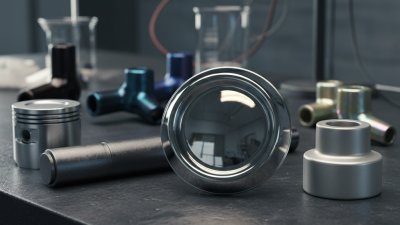
Chrome and nickel plating play key roles in various industrial sectors. Their versatility makes them ideal for diverse applications. From automotive to aerospace, these coatings provide essential benefits. They enhance durability and can withstand harsh environments. Equipment and components benefit from added corrosion resistance, extending their service life.
In manufacturing, chrome and nickel plated parts also improve aesthetics. They have a shiny finish that appeals to consumers. Certain industries, like furniture and household goods, seek such visual appeal. However, achieving a perfect finish can be challenging. Surface defects may occur, leading to a need for rework or refinishing. This process can be time-consuming and costly.
Furthermore, specific industries may face unique challenges. For example, the weight of plating might affect overall performance in aerospace. Careful consideration is needed here. On the other hand, industries that rely on high hardness levels can benefit immensely. Balancing these factors is crucial for successful implementation. Adaptability remains a constant theme in the use of chrome and nickel plating across different fields.