Advantages of Chrome Plating for Global Buyers?
Chrome plating offers significant benefits for global buyers across various industries. The advantages of chrome plating include enhanced durability, improved aesthetics, and resistance to corrosion. This process involves applying a thin layer of chromium onto a metal surface, making it stronger and more appealing. For manufacturers, investing in chrome plating can lead to higher-quality products.
Additionally, chrome plating can reduce maintenance costs over time. While it is essential to ensure proper application, imperfections can arise if not executed correctly. Buyers should be aware of the quality of plating services they choose, as this directly impacts the benefits.
It’s crucial for buyers to carefully evaluate potential suppliers for expertise in chrome plating. This ensures they receive reliable, professional service that maximizes the advantages of chrome plating. With the right approach, companies can leverage these benefits to enhance their products and stand out in the competitive market.

Definition and Overview of Chrome Plating in Manufacturing
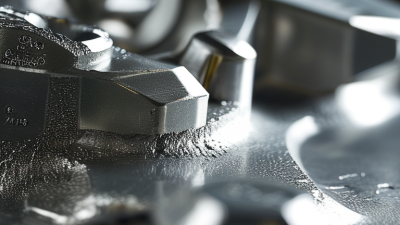
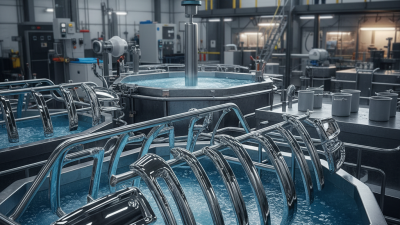
Chrome plating is a prominent technique in manufacturing that applies a thin layer of chromium to metals. This process enhances the surface properties of the base material, making it more durable and resistant to corrosion. Chrome plating provides not only aesthetic appeal but also functional benefits such as increased wear resistance and reduced friction.
In practical applications, chrome plating is utilized in various industries, including automotive and aerospace. The shiny surface often serves as a protective layer extending the lifespan of components. However, achieving consistent quality in chrome plating can be challenging. Factors like surface preparation and plating environment play crucial roles in determining the final product's performance.
While chrome plating shows significant advantages, it is essential to acknowledge limitations. The process can be costly, particularly for small batches. Additionally, some manufacturers face difficulties with adherence and coating thickness. Ongoing research is essential to address these concerns and enhance the reliability of chrome plating. Continuous improvement in techniques will contribute to broader acceptance among global buyers.
Key Benefits of Chrome Plating for Durability and Corrosion Resistance
Chrome plating offers remarkable benefits for durability and corrosion resistance, making it a sought-after choice for global buyers. According to a report by the International Journal of Advanced Manufacturing Technology, chrome plating enhances the lifespan of components by up to 90%. This longevity is crucial in industries where equipment failure can lead to significant financial losses.
Corrosion resistance is another vital advantage. Research indicates that chrome-plated surfaces can withstand various corrosive environments, including saltwater and chemicals. A study from the Journal of Materials Science highlights that chrome plating can reduce the corrosive wear on automotive parts by as much as 75%. This property is particularly valuable in industries like automotive and aerospace, where reliability is paramount.
However, while chrome plating presents substantial advantages, it’s essential to consider its environmental impact. The process can produce hazardous waste if not managed properly. Buyers should seek certified providers that adhere to safety and environmental standards. Balancing the benefits with sustainability is a challenge that requires careful attention.
Advantages of Chrome Plating for Global Buyers
Economic Advantages of Chrome Plating for Global Buyers
Chrome plating offers significant economic benefits for global buyers. This process enhances the durability and aesthetic appeal of various products. The result is often a longer lifespan, which reduces the frequency of replacements. For manufacturers, this leads to lower production costs in the long run.
Another economic advantage is the reduced maintenance associated with chrome-plated items. They are easier to clean and resistant to corrosion. This lowers upkeep costs for businesses and consumers alike. However, initial investment costs can be high. Buyers might hesitate due to these upfront expenses.
Despite the initial cost barrier, many industries find that chrome plating pays off. It makes products stand out in a competitive market. High-quality finishes attract customers. While chrome plating isn’t perfect, its benefits often outweigh potential downsides. This reflective thinking helps buyers make informed decisions.
Environmental Considerations in Chrome Plating Processes
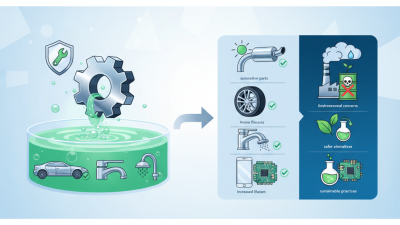
Chrome plating offers significant advantages, but environmental considerations are equally important. The chrome plating process can release harmful substances, such as hexavalent chromium. According to the Environmental Protection Agency, hexavalent chromium is a known carcinogen. Regulations are tightening to minimize such emissions. Adopting safer alternatives or advanced filtration systems is essential for reducing environmental impact.
Studies show that nearly 20% of volatile organic compounds in some regions come from plating processes. The industry faces pressure to innovate. Many processes now aim to be more eco-friendly. Companies are exploring trivalent chromium as an alternative. It poses less risk compared to traditional methods and meets emerging environmental standards. Switching to this method can lead to a safer work environment.
Moreover, companies have begun to implement waste recycling practices. Reclaiming chemicals not only reduces waste but also lowers costs in the long run. This shift shows promise for assisting compliance with environmental regulations. However, challenges remain. Many facilities struggle with adapting to new technologies. The investment required can be significant. Addressing these issues will be crucial for the industry’s sustainable future.
Applications of Chrome Plating in Various Industries and Markets
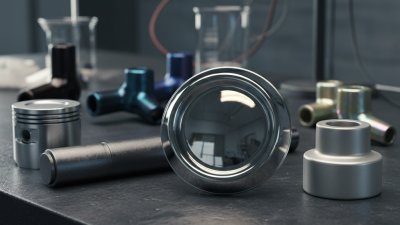
Chrome plating has become an essential process across various industries. Its applications range from automotive to aerospace and heavy machinery. In the automotive sector, chrome plating provides a durable finish that enhances appearance and corrosion resistance. According to a report by MarketsandMarkets, the chrome plating market is expected to reach USD 7.8 billion by 2025, showing a growing demand for high-quality surface finishes.
In the aerospace industry, chrome plating is used to protect engine components. This process helps in reducing friction, thus improving efficiency. A study by the International Journal of Engineering Research and Technology highlights that chrome-plated surfaces can last significantly longer than their non-plated counterparts. Such durability is crucial when safety is on the line.
When considering chrome plating, buyers should evaluate their specific needs. The application process can vary widely. It's essential to engage with experienced professionals who understand the nuances of plating. Regular quality control can prevent defects during large-scale applications, ensuring reliability. Remember to assess finished surfaces for adherence and corrosion resistance upon delivery.