How to Achieve Stunning Results with Decorative Metal Plating Techniques?
In the world of decorative metal plating, achieving striking finishes is both an art and a science. Industry expert Dr. Henry Collins, a leading figure in metal finishing, states, "The beauty of decorative metal plating lies in its ability to transform ordinary surfaces into stunning works of art." This process often requires a delicate balance between technique and creativity.
Decorative metal plating involves coating surfaces with metals like gold, silver, or copper. The transformation can profoundly affect aesthetics and durability. Careful attention must be paid to surface preparation. Flaws can easily ruin a finish. Therefore, mastering this craft requires patience and practice.
It's important to remember that not every attempt will yield perfection. Mistakes can lead to unexpected results. Embracing these moments can inspire new techniques or designs. In pursuit of stunning results, one must be willing to experiment and learn. After all, decorative metal plating is as much about personal expression as it is about precision.

Understanding Decorative Metal Plating: An Overview of Techniques
Decorative metal plating is an art that enhances the beauty of metal surfaces. Various techniques can achieve different finishes. Electroplating, for example, uses electric current to bond metals onto a surface. This method creates smooth and even layers. However, it requires precision and control. A small mistake can ruin the finish.
Another technique is vacuum metal deposition. This method vaporizes metal in a vacuum. The metal then settles onto the object. It creates a stunning layer that is both reflective and thin. However, achieving the desired thickness can be challenging. Overdoing it can lead to uneven finishes.
Tips: When trying decorative plating for the first time, practice on scrap metal. This helps you understand how different techniques work. Use light pressure for polishing. Too much pressure can scratch the surface. Always keep your workspace clean. Contaminated surfaces lead to poor adherence of the plating.
Essential Tools and Materials Needed for Metal Plating Projects
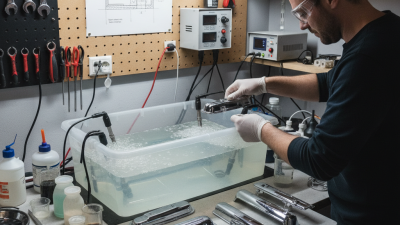
Decorative metal plating can elevate your projects significantly. To achieve stunning finishes, you'll need specific tools and materials. A power supply is essential for electroplating. It provides the necessary current for the plating process. Make sure it's adjustable to suit various projects. For prepping surfaces, sandpaper and a cleaning solution are vital. They ensure a smooth, clean base for optimal adhesion.
You'll also need plating solutions. These come in various formulations depending on the desired finish. Some solutions require careful handling. Stay aware and cautious. A plating brush can help for more detailed work. It’s helpful for small, intricate designs. Remember to have gloves and safety goggles. Safety should always come first when handling chemicals.
While experimenting with different techniques, don’t be discouraged by imperfections. Not every project will turn out perfect on the first try. Sometimes, the flaws can lead to unique results. Take notes on what works and what doesn’t. Continuous reflection improves your skills. Learning from each attempt will refine your approach over time. Embrace the learning journey.
Step-by-Step Guide to Preparing Surfaces for Metal Plating
Preparing surfaces for metal plating requires attention to detail. Each step plays a critical role in ensuring a successful outcome. Start by thoroughly cleaning the surface. Use a degreaser or a soap solution to remove oils and dirt. Rinse with clean water to ensure no residues remain.
Next, inspect the surface closely. Any imperfections, such as scratches or pits, should be addressed. Sanding can help here, but over-sanding can create unevenness. Aim for a smooth finish, but accept minor flaws. They may not affect the plating process, yet can alter the final appearance.
After cleaning and smoothing, it's time for surface treatment. Acid cleaning solutions can help enhance adhesion. However, remember to follow safety precautions. Work in a well-ventilated area and wear protective gear. Allow the surface to dry completely before plating. This consideration can prevent future complications and ensure a more attractive result.
Surface Preparation Techniques for Decorative Metal Plating
Choosing the Right Plating Solution for Desired Aesthetic Effects
When exploring decorative metal plating techniques, selecting the right plating solution is crucial. It directly influences the aesthetic outcome. For instance, gold plating provides a rich, warm tone, while nickel offers a cooler, more modern look. These choices can dramatically change the visual appeal of any project. But it’s not just about the color; texture and finish matter, too. A brushed finish can lend an industrial edge, while a polished surface exudes elegance.
Experimentation is vital in achieving the desired effect. Sometimes, initial attempts may fall short. A piece might not capture the intended shine or hue you envisioned. This is part of the learning process. It’s essential to take notes on what works and what doesn’t. Understanding the nature of each plating solution can guide future projects. Choose a plating process that aligns with your creative vision, but remain open to unexpected results. Often, the most stunning pieces arise from challenges faced during creation.