2026 How to Achieve Perfect Brushed Chrome Plating?
Brushed chrome plating has gained popularity for its sleek, modern look. Achieving a perfect finish, however, requires precision and care. Many enthusiasts seek the ideal appearance but often struggle with the process.
To start, it is essential to prepare the surface properly. Any imperfections can ruin the final outcome. Many overlook the importance of cleaning and sanding the base material. A smooth initial layer is crucial in ensuring a flawless brushed chrome finish.
Throughout this journey, expect mistakes and setbacks. It’s common to encounter issues like uneven surfaces or improper application. Reflecting on these challenges is vital for improvement. Ultimately, mastering brushed chrome plating can lead to outstanding results, showcasing a blend of artistry and technical skill.
Understanding Brushed Chrome Plating: An Overview
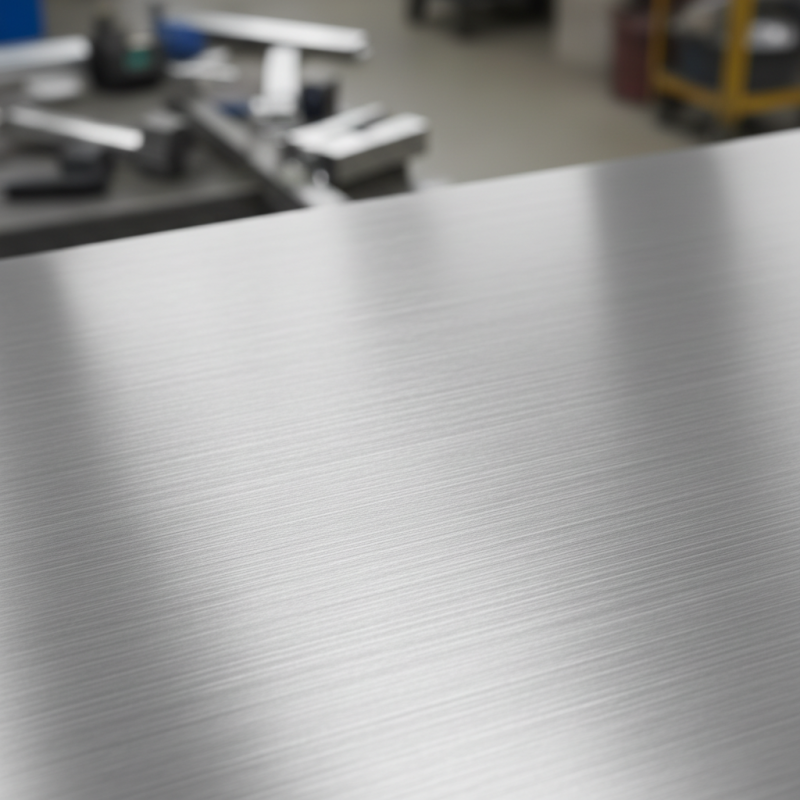
Brushed chrome plating offers a unique finish that combines elegance with durability. This process involves applying a thin layer of chrome onto a metal surface, creating a stylish yet protective barrier. The brushed texture is achieved through a mechanical process, often using abrasive pads or brushes. This technique results in fine lines that enhance the aesthetic appeal while minimizing fingerprints and smudges.
However, achieving perfect brushed chrome plating is not without challenges. Consistency in texture can be elusive. Variations in pressure or speed during the brushing process might lead to uneven patterns. Additionally, the thickness of the chrome layer plays a critical role. Too thin, and the finish may wear off quickly. Too thick, and it may lose the desired brushed effect, complicating repairs or refinishing later.
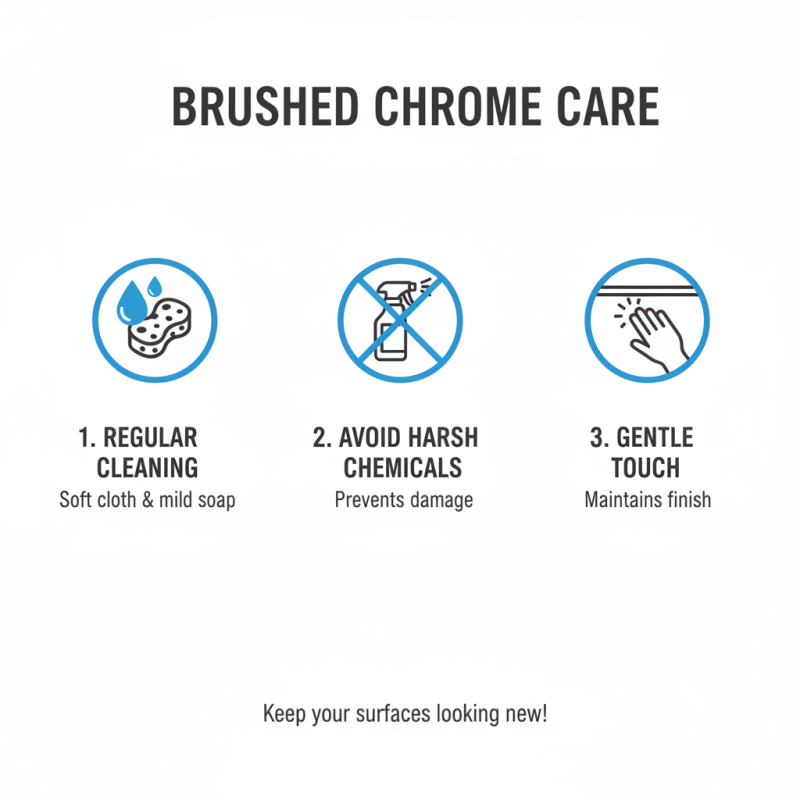
Caring for brushed chrome surfaces can be tricky as well. While they are generally resistant to corrosion, they aren't immune to scratches and tarnishing. Regular maintenance is essential for keeping the finish looking pristine. Reflecting on these challenges allows for a deeper understanding of brushed chrome plating. Each step requires patience and precision to perfect the art of this distinctive finish.
Essential Materials Required for Brushed Chrome Plating
Brushed chrome plating is a popular finish for various surfaces. Achieving the perfect look requires specific materials. Begin with a high-quality base metal. Stainless steel or aluminum are ideal choices. They provide durability and allow the chrome to adhere well.
Next, a good cleaning solution is essential. This removes grease and oxidation. Use a gentle abrasive pad to prepare the surface. This step is often overlooked, yet it significantly impacts the final result.
**Tips**: Always test your materials on a small area first. This way, you can avoid larger errors. After plating, don’t forget to buff the surface for that unique brushed look. Check for any imperfections; they’re common. Fixing them can sometimes be tricky. Take your time and reassess your methods. Fine adjustments may be needed to get that perfect finish.
Step-by-Step Process for Achieving Perfect Brushed Chrome Finish
Achieving a perfect brushed chrome finish requires careful attention to detail. Start with a clean surface. Any dirt or grease can ruin your efforts. Use a suitable cleaner to ensure the surface is spotless. Dry it thoroughly before moving on. Remember, imperfections in this step can affect the final look.
Next, choose the right tools. A fine brush or abrasive pad is essential for the brushing technique. Apply even pressure while brushing. Uneven pressure can lead to inconsistent patterns. It’s important to maintain a steady hand. Take your time, as haste often results in errors.
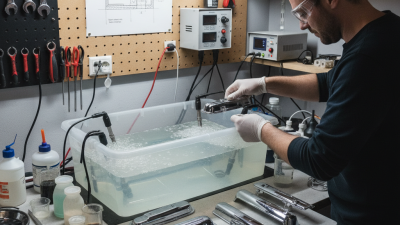
Finally, consider the plating process. Properly setting the parameters is crucial. Incorrect voltage or temperature can lead to an undesirable finish. Testing the setup on scrap material is wise before applying it to your main piece. Reflecting on these steps helps identify areas for improvement. Each attempt brings valuable lessons for better results.
Common Challenges and Solutions in Brushed Chrome Plating
Brushed chrome plating can elevate the aesthetic of metal surfaces. However, it comes with challenges that can affect the quality of the finish. The most common issue is achieving a uniform texture. In fact, studies show that nearly 30% of projects face inconsistencies due to improper sanding or polishing techniques. Surface preparation is crucial. Any dirt or grease can lead to uneven plating.
Tip: Always clean surfaces thoroughly before starting the plating process.
Another challenge is controlling the plating thickness. Too thick a layer can lead to peeling, while too thin can result in wear. Industry studies indicate that 15% of brushed chrome finishes fail to meet desired durability standards. It's essential to maintain a precise balance during the plating. This requires careful monitoring of the electroplating process.
Tip: Invest in quality equipment to maintain consistent plating conditions.
Lastly, pits and cracks can mar the final look. These imperfections often stem from poor bath chemistry or outdated equipment. It’s vital to regularly check the chemical composition of the plating solution. Ignoring these factors can lead to disappointing results and increased costs.
Tip: Regularly conduct maintenance on plating equipment to ensure optimal performance.
Common Challenges in Brushed Chrome Plating