2026 How to Achieve High Quality Brass Chromium Plating
In the competitive world of metal finishing, the importance of high-quality brass chromium plating cannot be overstated. Experts like Dr. Michael Thompson, a leading authority in electroplating technologies, emphasize, “Achieving durable and aesthetically pleasing brass chromium plating requires precise processes.” His insights invite businesses to consider the nuances of their plating methods.
Understanding brass chromium plating means navigating various parameters. The surface preparation is crucial. Contaminants must be removed to ensure an even finish. It’s not just about applying a layer of chromium; it’s about creating a bond that enhances durability and appearance. The plating bath's chemistry plays a pivotal role too. Each element affects the outcome. Improper balance can lead to issues such as poor adhesion or uneven color.
However, challenges abound in this field. Many companies struggle with quality control. Issues can arise during production, causing costly reworks. Reflection on these experiences is vital. Constant improvements and adaptations are necessary to maintain industry standards. The quest for high-quality brass chromium plating is an ongoing journey, filled with learning moments and reflections that shape future successes.
Understanding Brass Chromium Plating: An Overview of the Process
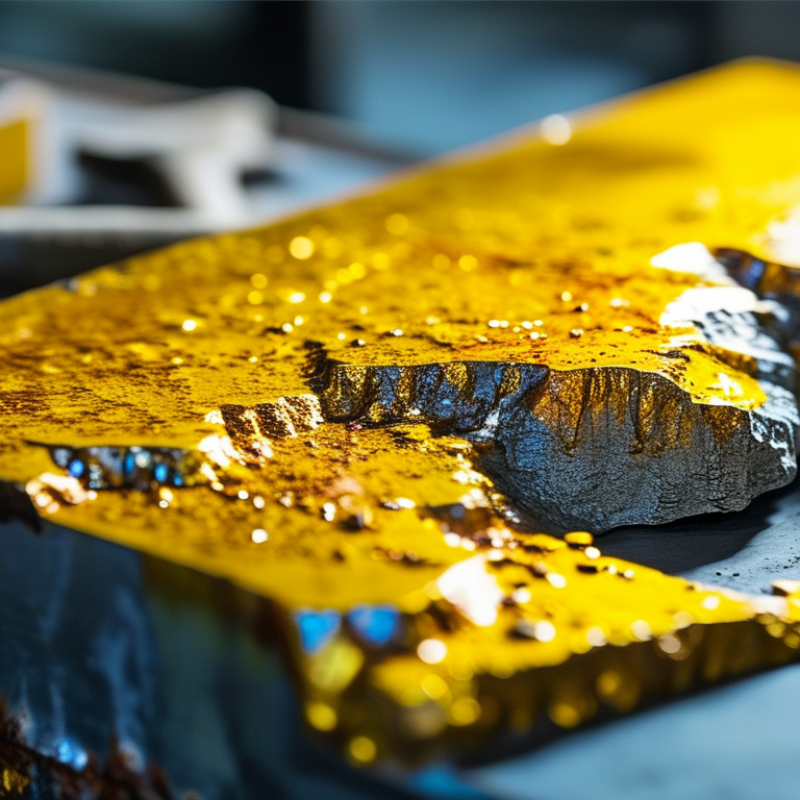
Brass chromium plating is a specialized technique that enhances both the aesthetics and durability of brass objects. This process involves applying a thin layer of chromium over brass to improve its resistance to corrosion and wear. The smooth, reflective finish can make brass items more visually appealing. However, achieving high-quality plating requires precision and attention to detail.
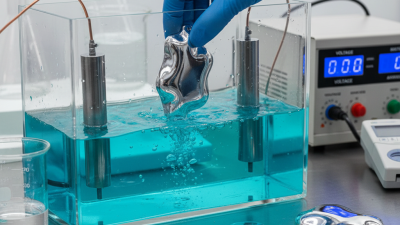
The process begins with thorough surface preparation of the brass item. Any dirt, grease, or oxidation must be removed to ensure good adhesion of the chromium layer. This phase can be tedious, yet it is crucial. Next, the item is placed into an electrolyte solution, where electrical current facilitates the deposition of chromium onto the brass surface. Maintaining proper temperature and current parameters is vital for achieving a uniform coating.
Despite the advanced techniques available today, challenges remain. Variations in plating thickness can occur due to uneven surface handling or equipment malfunctions. Regular equipment maintenance and operator training are essential to address these issues. Quality control checks during and after the plating process help identify imperfections. Continuous improvement and learning from mistakes can lead to better outcomes in brass chromium plating.
Key Factors Influencing the Quality of Brass Chromium Plating
Brass chromium plating is a delicate process. Several key factors influence its quality. Understanding these factors is essential for achieving optimal results.
First, surface preparation plays a crucial role. A clean and smooth surface ensures better adhesion. Contaminants like oils or dust can lead to defects. Proper cleaning methods, including ultrasonic cleaning, are often overlooked. Effective surface treatment can significantly improve plating.
Next, the composition of the plating solution matters. The concentration of chromium and other additives must be precise. An imbalanced solution may affect the brightness and durability of the finish. Operators should regularly test the solution to maintain its quality.
Temperature and pH levels also contribute to the final product. Too high temperatures can cause uneven plating. Conversely, inadequate temperatures may lead to weak adhesion. Operators need to monitor these variables closely for consistent quality.
In some cases, there can be unexpected issues. Plating may not adhere as expected. This could result from impurities or unreliable equipment. Reflection on these challenges can drive improvements. Continuous learning in this field is necessary for achieving high-quality brass chromium plating.
2026 How to Achieve High Quality Brass Chromium Plating
This chart illustrates the key factors influencing the quality of brass chromium plating. The data represents various quality parameters measured in a controlled setting, showing the importance of each factor in achieving high-quality plating.
Essential Equipment and Materials for High-Quality Plating
High-quality brass chromium plating requires careful selection of essential equipment and materials. The foundation lies in the electroplating power supply. This device must provide consistent voltage and current. Uneven power can lead to poor adhesion and surface defects.
Another crucial component is the plating bath. A well-formulated solution containing chromium salts, stabilizers, and additives ensures optimal coating quality. Frequent testing of the chemical composition is vital. Any variations could affect the final finish.
Additionally, proper preparation of the substrate is necessary. The brass surface should be thoroughly cleaned and etched. This step can be overlooked, leading to weak bonding. Even minor imperfections can result in flaking or peeling later on. Developing a reliable process will take time and adjustments. You may find yourself refining your methods along the way.
2026 How to Achieve High Quality Brass Chromium Plating - Essential Equipment and Materials for High-Quality Plating
| Equipment/Material |
Purpose |
Specifications |
Notes |
| Electroplating Machine |
Conducts the plating process |
Power Supply: 12V; Current: 50A |
Regular maintenance required |
| Chromium Solution |
Provides the chromium for plating |
Concentration: 250g/L |
Store in a cool, dry place |
| Anode Materials |
Serves as the source of chromium |
Type: Plating Grade |
Monitor for wear and replace as needed |
| Cleaning Agent |
Prepares the surface for plating |
pH: 6-8 |
Ensure thorough rinsing after use |
| Rinsing Tank |
Removes excess chemicals |
Volume: 50L |
Change water regularly |
Quality Control Measures in Brass Chromium Plating Operations
In brass chromium plating operations, quality control is critical. Ensuring optimal results requires meticulous attention to various aspects of the plating process. According to recent industry reports, a failure rate of around 15% in plating processes can be attributed to insufficient quality control measures. This statistic underscores the need for robust protocols to enhance output quality.
Regular inspections can make a significant difference. By implementing consistent quality checks, facilities can identify potential issues early. For instance, monitoring the thickness of the chromium layer is vital. A study revealed that discrepancies in thickness could reduce the lifespan of plated components by up to 30%. Practices like using automated measurement tools can help maintain accuracy and reliability.
Tip: Always document each step of the plating process. This habit creates a reliable reference for future operations. Training staff to recognize defects can also improve overall quality.
Another area to consider is the composition of the plating solution. Poorly balanced chemicals can lead to uneven coatings. Reports suggest that maintaining the pH level can stabilize the plating process. Operators should regularly test the solution to avoid common pitfalls like contamination or excessive variance in coating thickness. Quality matters in plating, and diligent control measures can significantly enhance performance.
Emerging Trends and Innovations in Brass Chromium Plating Techniques
The brass chromium plating industry is evolving rapidly. Recent studies show a significant shift towards eco-friendly processes. These methods reduce waste and energy consumption, aligning with global sustainability goals. A report by the International Journal of Plating revealed that water-based solutions are gaining traction. They require fewer hazardous materials and minimize environmental impact.
Innovations in technology are also reshaping plating techniques. Pulse plating is increasingly popular. It allows for better control over deposition rates and offers superior adhesion. Research indicates that this method can enhance the thickness uniformity of the coating. Moreover, incorporating nanomaterials into the plating solution shows promising results. This can improve corrosion resistance and overall durability.
However, challenges remain. Many manufacturers struggle with transitioning to these advanced methods. Cost considerations and skill gaps are significant barriers. Industry experts emphasize the importance of training. Workers must adapt to newer technologies to fully harness their benefits. The ongoing evolution in brass chromium plating calls for continuous learning and adaptation in the workforce.