2026 Top Wastewater Flocculant Solutions for Better Treatment?
In 2026, the focus on wastewater treatment intensifies. The role of Wastewater Flocculants is critical in achieving efficient results. These chemicals help separate solids from liquid, allowing for cleaner water. The market offers various flocculant solutions to tackle this challenge.
When selecting a wastewater flocculant, factors like cost and effectiveness matter. Not all flocculants perform equally in different environments. Some may work well in specific situations but fail elsewhere. Evaluating these products requires careful consideration and testing.
Water treatment facilities strive for improvement. Yet, there may be drawbacks in some flocculants. Environmental impact is a growing concern. As we explore the best solutions, it’s essential to reflect on our choices. The journey toward better wastewater treatment continues, driven by innovation and commitment.
Overview of Wastewater Treatment and the Role of Flocculants
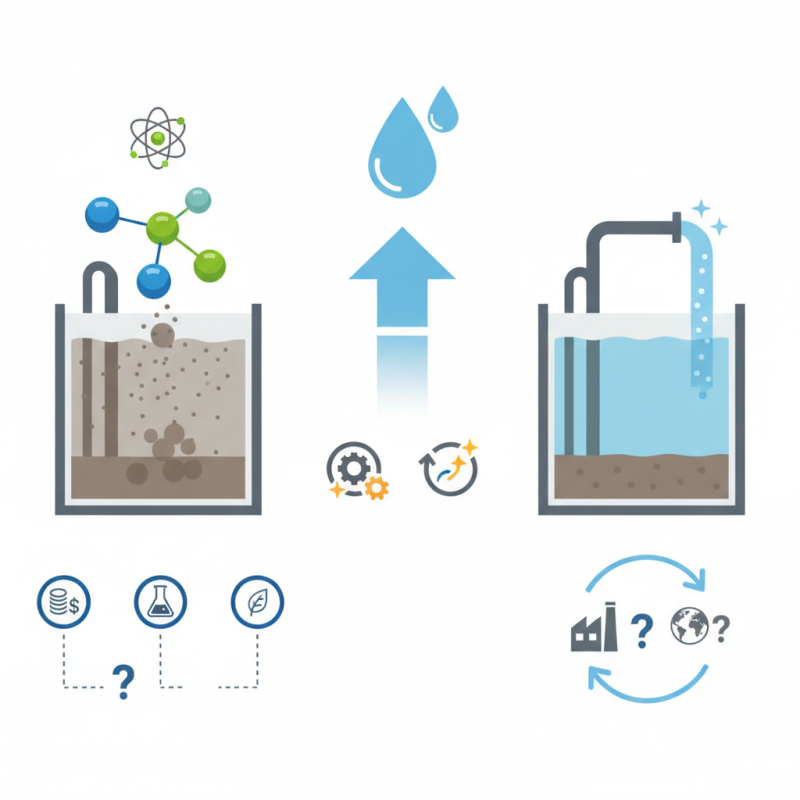
Wastewater treatment is crucial for environmental health. It removes contaminants, protecting water sources. Flocculants play an essential role in this process. They help agglomerate suspended particles, making them easier to remove. This flocculation process enhances overall treatment efficiency.
Flocculants function by bridging the gaps between particles. They create larger aggregates, or "flocs," that settle quickly. This reduces the need for extensive filtration systems. However, not all flocculants are equally effective for every situation. Some may work well in specific conditions, while others fall short. Achieving the right balance is a continuous challenge.
Incorporating flocculants into treatment processes often requires careful consideration. The dosage, timing, and type of flocculant can affect outcomes. Trials may yield unexpected results, prompting further adjustments. Observing these variables is essential for optimizing treatment. Even with advancements, there is room for improvement. Adapting strategies to unique wastewater types remains a key hurdle. Learning from each treatment cycle can lead to more effective solutions.
2026 Top Wastewater Flocculant Solutions for Better Treatment
| Flocculant Type | Key Benefits | Optimal Use Cases | Expected Efficiency |
| Polyacrylamide | High sedimentation rates, Low dosage requirements | Municipal wastewater treatment, Mining operations | Up to 95% turbidity reduction |
| Natural Polymers | Environmentally friendly, Biodegradable | Food processing, Agricultural runoff | 80-90% solids removal |
| Inorganic Coagulants | Cost-effective, Quick action | Industrial wastewater, Water treatment plants | 70-85% pollutant reduction |
| Synthetic Polyelectrolytes | Tailored performance, Wide-ranging applications | Textile and dyeing industries, Oil and grease removal | 85-95% particle removal |
| Modified Starch | Non-toxic, Renewable resource | Pulp and paper industry, Municipal sludge treatment | 75-85% clear water quality |
Types of Flocculants Used in Wastewater Treatment Processes
In wastewater treatment, flocculants play a crucial role in enhancing the efficiency of solids removal. Different types of flocculants are used to tailor treatments for various wastewater compositions. Common flocculants include anionic, cationic, and non-ionic compounds. Each type has unique properties that influence the aggregation of particles. According to a recent report by the Environmental Protection Agency, effective flocculants can increase solids removal efficiency by over 30%.
Anionic flocculants are particularly effective in neutralizing positively charged particles. They help to create larger flocs that can be settled or filtered more easily. Cationic flocculants, on the other hand, bind well with negatively charged particulates, aiding in processes like primary treatment and sludge dewatering. Data from industry studies indicates that the choice of flocculant can affect treatment costs significantly, impacting overall operational efficiency.
While the benefits are clear, there are challenges. Overdosing flocculants can lead to adverse effects, such as poor sedimentation rates. This can complicate the treatment process and increase expenses. Moreover, environmental concerns regarding residual flocculants must be considered. Understanding the precise needs of specific wastewater types is essential for optimizing flocculant use. This requires ongoing research and a commitment to finding balance in treatment efficacy and environmental impact.
Evaluation Criteria for Selecting Effective Flocculant Solutions
When selecting flocculants for wastewater treatment, a few criteria are crucial. Effectiveness, cost, and environmental impact are essential components. The right flocculant should efficiently remove suspended solids. This process enhances the clarity of water. High performance in varying conditions matters too. It’s not enough for a flocculant to work well in one setting.
Evaluating the cost is vital. Sometimes, cheaper options don’t perform as expected. Understanding the dosage and application method can reveal hidden costs. Additionally, the environmental effects of these chemicals need consideration. Are they biodegradable? Do they create harmful byproducts?
In the quest for better solutions, it's essential to reflect on these choices. Not every flocculant will meet all criteria perfectly. A flocculant that works well in primary treatment may fail in advanced processes. It’s important to adapt and learn from the results to optimize the treatment process. Thus, ongoing evaluation and testing are necessary for sustainable results.
Innovations in Flocculant Technology for Enhanced Wastewater Treatment
The advancement of flocculant technology plays a crucial role in wastewater treatment. New formulations are emerging that enhance the removal of suspended solids. Reports from the International Water Association indicate that modern flocculants improve sedimentation rates by over 30%. They enable better compliance with environmental regulations. This innovation is essential for industries seeking sustainable practices.
Flocculants work by clumping particles together, forming larger aggregates. These aggregates are easier to separate from water. Some recent studies show that using bio-based flocculants can reduce chemical costs by 20%. However, there’s a limitation; these products can be sensitive to varying wastewater compositions. We must continue to explore ways to improve their stability across different conditions.
Tips: Always assess the type of wastewater before choosing a flocculant. A deeper understanding can lead to better treatment outcomes. Regular monitoring of flocculant performance can provide insights into its effectiveness. Embracing new technologies is vital to stay ahead in the industry.
2026 Top Wastewater Flocculant Solutions for Better Treatment
Case Studies of Successful Flocculant Applications in 2026
In 2026, numerous case studies highlight innovative flocculant applications in wastewater treatment. One noteworthy example involved a municipal plant struggling with high turbidity levels. The team introduced a newly developed flocculant. Within weeks, clarity improved significantly. However, not all efforts yielded similar results. Some facilities reported inconsistent performance due to varying wastewater compositions.
Another case study examined an industrial facility. They faced challenges with heavy metal contamination. A tailored flocculant solution reduced sedimentation times. While the project initially showed promise, follow-up tests revealed residual contaminants. This discrepancy prompted a reassessment of source materials and flocculant types. Such reflections are crucial in the flocculant selection process.
In both instances, the importance of ongoing evaluation emerged clearly. Flocculants can provide substantial benefits, but they are not a one-size-fits-all solution. Continuous monitoring helps ensure that treatment processes remain effective. Adjustments may be necessary based on the specific characteristics of wastewater. This adaptability is essential for long-term success in wastewater management.