2026 Top Hub Units Trends for Global Buyers What to Expect?
In the ever-evolving landscape of global commerce, Hub Units are set to play a pivotal role in 2026. These units are not just logistics tools; they symbolize a significant shift in how goods are managed and distributed. Buyers across the globe need to understand the emerging trends surrounding these systems.
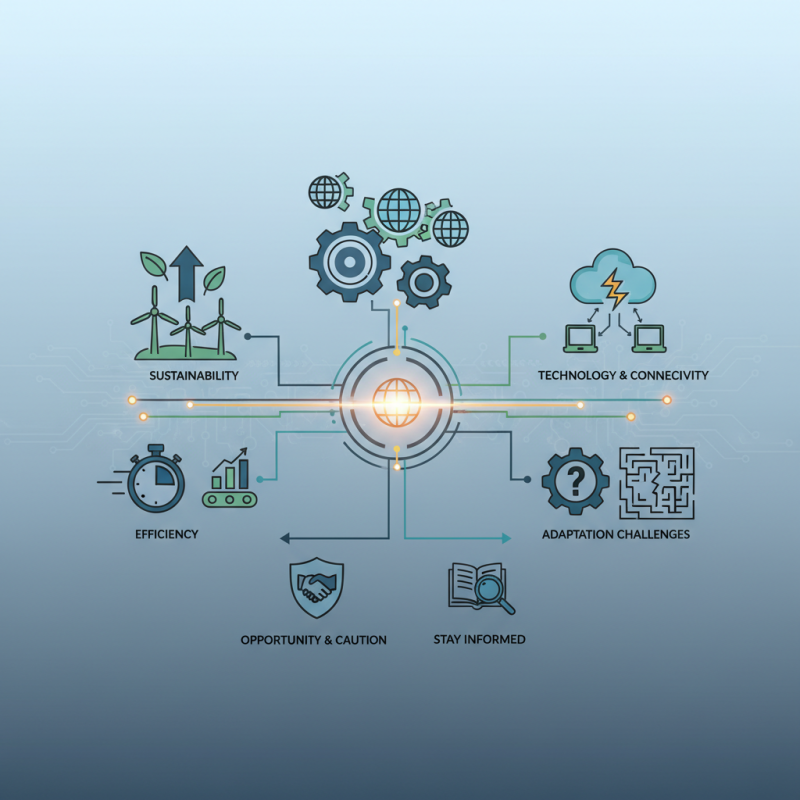
Expectations for Hub Units will focus on sustainability and efficiency. Many manufacturers aim to reduce their carbon footprints. Innovations in technology will enhance connectivity and streamline workflows. However, challenges remain. Some buyers may struggle to adapt to new systems and technologies.
Understanding these Hub Units is crucial for global buyers. It is an opportunity to embrace change while also being cautious. Awareness of potential issues can lead to better decision-making. As we move forward, staying informed about trends will be essential for success.
Emerging Technologies Shaping Hub Units in 2026
In 2026, emerging technologies will significantly reshape hub units. Automation will dominate. Robotics will efficiently manage inventory, streamlining operations and reducing human error. This leads to faster turnaround times and happier customers. However, reliance on machines raises concerns about skills gaps in the workforce.
Artificial intelligence will also play a crucial role. AI algorithms will predict demand trends, helping buyers make informed decisions. This data-driven approach may improve supply chain efficiency. Yet, the dependency on AI could lead to challenges if systems fail or data becomes corrupted.
Sustainability remains a pressing concern. Eco-friendly materials and energy-efficient processes are gaining traction. Buyers are increasingly seeking suppliers with green credentials. However, balancing cost and sustainability is tricky. Not all companies will find this transition feasible.
Sustainability Trends in Hub Units for Global Market
As we look towards 2026, sustainability is set to redefine hub units in the global market. Manufacturers are increasingly prioritizing eco-friendly practices. This trend reflects a growing awareness of environmental impact. Companies are exploring renewable materials and energy-efficient production methods. Investing in sustainable technologies is crucial. It not only reduces carbon footprints but also attracts conscious consumers.
The challenge lies in balancing cost and sustainability. Some manufacturers may hesitate to switch to greener materials due to higher expenses. Additionally, there is ongoing debate about the durability of eco-friendly products. How do they compare to traditional options? Consumers must stay informed. Understanding these nuances helps make better choices. Moreover, sustainable practices must extend beyond production. Logistics and distribution also play critical roles.
Evaluating the entire lifecycle of hub units is essential. Are they recyclable? What happens after their use? These questions matter more than ever. Addressing them can lead to impactful changes in the marketplace. With ongoing innovation, the vision for sustainable hub units is evolving. As stakeholders reconsider their approaches, we may witness remarkable shifts in the industry.
2026 Top Hub Units Trends for Global Buyers
| Trend | Description | Expected Impact | Adoption Rate (%) |
| Eco-friendly Materials | Increased use of recyclable and sustainable materials | Reduction in carbon footprint | 75% |
| Smart Technology Integration | Integration of IoT and AI for efficiency | Increased operational efficiency | 68% |
| Energy Efficiency | Focus on reducing energy consumption | Lower operational costs | 80% |
| Circular Economy Practices | Implementing models that reuse resources | Sustainability in production | 50% |
| Supply Chain Transparency | Enhanced visibility in sourcing and logistics | Improved consumer trust | 65% |
Consumer Preferences Influencing Hub Units Designs
Consumer preferences are shaping the future of hub unit designs. As buyers become more eco-conscious, they seek sustainable materials. Traditional manufacturing methods are being challenged. Designers are responding to these needs by incorporating recycled components. This shift reflects a growing desire for products that prioritize environmental responsibility.
Aesthetic appeal is another significant factor. Hub units are not only functional; they are also an extension of personal style. Consumers want designs that resonate with their lifestyle while remaining practical. Color, texture, and minimalist styles are trending. However, not every design achieves this balance. Some options may look appealing but lack usability. This highlights the need for careful consideration during the design process.
Technological integration is increasingly influential. Smart features attract tech-savvy consumers, providing convenience and connectivity. Yet, adding technology can complicate user experience. It’s important to recognize the fine line between innovation and user-friendliness. Continuous feedback from ultimate users is essential in refining these designs. Adapting to evolving preferences requires ongoing dialogue in the design community.
Economic Factors Impacting Global Hub Unit Supply Chains
As we look ahead to 2026, economic factors will play a crucial role in shaping global hub unit supply chains. Rising inflation rates in various regions alter production costs significantly. Consequently, manufacturers need to adapt their pricing strategies to remain competitive. Labor shortages contribute additional pressures, complicating logistics and efficiency in supply chain operations.
Changing trade policies also influence global sourcing and distribution. Tariffs can increase overall expenses, prompting businesses to explore alternative suppliers or regions. Sustainability trends are reshaping procurement practices, pushing companies toward eco-friendly materials. Navigating these shifts requires a keen understanding of the environment and adaptability.
Technological advancements may streamline operations but can also introduce complexities. Automation might enhance efficiency, but it also necessitates a skilled workforce. Companies must balance investment in technology against the ongoing need for human oversight. These aspects underscore the intricate landscape that global buyers must traverse in the coming years.
Future Innovations in Hub Unit Functionality and Features
As we look toward 2026, hub units are poised for remarkable advancements in functionality. Emerging technologies promise enhanced connectivity and integration. Expect features like real-time analytics and streamlined communication systems. These innovations will foster collaboration and improve decision-making processes.
In addition, increased customization options will cater to diverse user needs. Buyers can anticipate interactive interfaces and personalized experiences. This shift could lead to a challenge: the balance between flexibility and usability. Not all users will adapt easily to new systems. There will be a need for ongoing training and support.
Manufacturers are also exploring sustainability. Eco-friendly materials may soon become standard. However, achieving this requires careful planning. The industry must consider both performance and environmental impact. While these changes are promising, their implementation will need constant evaluation. Users and developers alike must remain engaged in this evolving landscape.
2026 Top Hub Units Trends for Global Buyers
Future Innovations in Hub Unit Functionality and Features