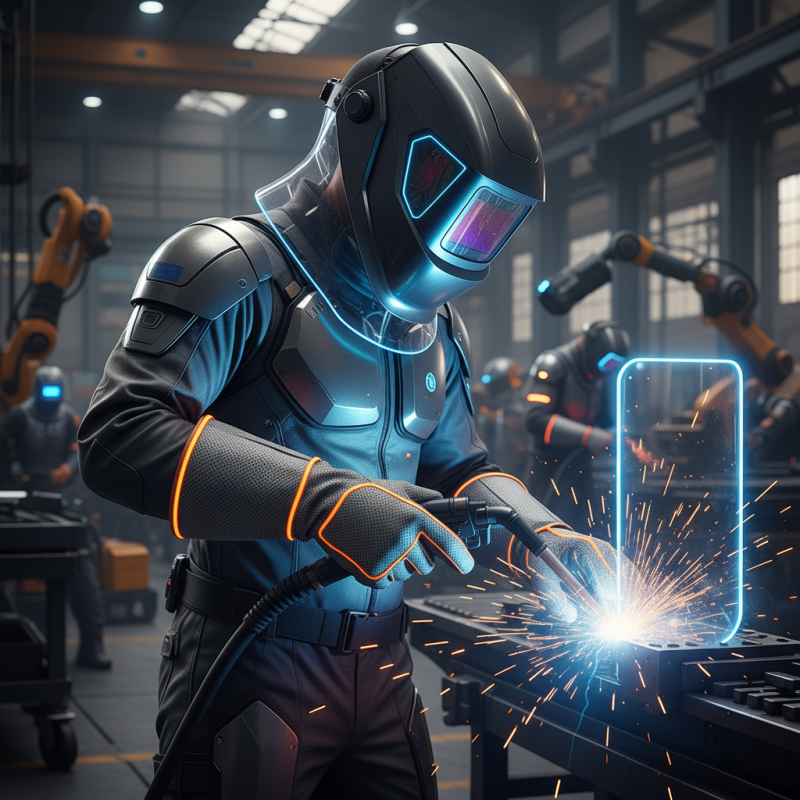
2026 Best Welding Protection Gear for Safety and Efficiency?
Welding Protection is crucial for safety and efficiency in various industries. Without proper gear, welders face numerous hazards. The right equipment can prevent injuries and ensure a productive work environment.
In 2026, the best welding protection gear should combine comfort and durability. Welders often work long hours in challenging conditions. Lightweight, breathable materials enhance mobility and reduce fatigue. Eye protection, gloves, and clothing must withstand extreme temperatures and sparks.
Despite advancements, some welders still overlook gear quality. This can lead to accidents or long-term health issues. Choosing the best welding protection gear requires careful consideration. It’s essential to prioritize personal safety while maximizing efficiency on the job site. Investing in the right gear pays off in the long run.
Essential Features of Welding Protection Gear for Optimal Safety
When it comes to welding protection gear, safety is paramount. The right equipment not only shields welders from hazards but also enhances productivity. Look for helmets with auto-darkening features. They allow better visibility while protecting your eyes from intense light.
Gloves are crucial too. Quality gloves provide grip and heat resistance. Check for reinforced seams; they often withstand wear and tear better. Padded gloves are also great for reducing hand fatigue during long hours of work.
Don’t overlook boots and aprons. Steel-toed boots prevent foot injuries, while flame-resistant aprons shield the body from sparks. Consider adjustable straps; they improve fit and comfort. Remember, comfort matters as much as protection. Investing in well-fitted gear can make a significant difference and keep you focused.
Types of Welding Protection Gear: Choosing the Right Equipment
Choosing the right welding protection gear is essential for safety and efficiency. Welders face various hazards, such as intense heat, harmful fumes, and bright light. According to a report by the American Welding Society, proper protective equipment can reduce injury rates by up to 80%. However, many employees still neglect to use the recommended gear. It's a reminder that safety should always come first.
There are different types of welding protection gear available. Helmets protect the face and eyes from sparks and UV rays. Gloves are crucial for hand safety, preventing burns and cuts. Personal protective equipment (PPE) must fit well. Ill-fitting gear can lead to distractions or accidents. Interestingly, a survey found that 45% of welders experience discomfort wearing standard PPE. This discomfort impacts productivity and can lead to unsafe practices. Selecting the right gear can improve comfort and efficiency.
Furthermore, the importance of respiratory protection cannot be overlooked. Welders are exposed to harmful fumes and gases, which can lead to serious long-term health issues. A study indicated that 30% of welders reported respiratory problems. Regular monitoring and proper gear usage can mitigate these risks. Making informed decisions about welding gear is critical for a safer work environment.
Top Brands for Welding Safety Gear in 2026: A Comprehensive Review
In 2026, welding safety gear has become more crucial than ever. With over 500,000 welders in the U.S. alone, the risk of injuries remains high. The American National Standards Institute (ANSI) reports that 50% of welding-related injuries are due to inadequate protection. Effective gear can significantly reduce risks, but choosing the right fit is essential.
Many workers often overlook the importance of comfort. Heavy gear can restrict movement. Lightweight materials are now available, making it easier to work efficiently. According to a recent industry survey, 70% of professionals prefer gear that offers both protection and comfort. Features like adjustable straps and breathable fabrics are becoming standard. Yet, some still choose outdated gear, risking severe injuries.
Quality is not just about materials. The fit is crucial to performance. Ill-fitting helmets can limit visibility, leading to accidents. A significant portion of injuries results from visibility issues. In fact, nearly 30% of accidents arise when welders can’t see clearly. Investing in well-fitted, high-quality gear could reduce these incidents dramatically. The industry's future relies on prioritizing safety without sacrificing ease of use.
Maintaining Your Welding Protection Gear for Longevity and Performance
Maintaining welding protection gear is vital for safety and efficiency. Regular cleaning is essential. A recent report from the American Welding Society highlights that proper maintenance can extend the lifespan of protective gear by up to 30%. This can significantly reduce costs in the long run.
Inspecting gear for wear is crucial. A study noted that 45% of welders have experienced equipment failure due to neglect. Check for cracks, tears, and other signs of damage. A damaged helmet or jacket can compromise safety. Replace items showing significant wear. Remember, working with worn gear presents risks that are easily avoidable.
Storing gear correctly also matters. A dark, damp place invites mold and deterioration. Instead, choose a cool, dry storage area. Elevating gear off the ground protects it from damage. Take time to organize and access equipment easily. This not only saves time but also promotes a culture of safety. Reflecting on these practices can lead to better performance in the workplace.
Emerging Technologies in Welding Safety Gear for Enhanced Efficiency
Emerging technologies in welding safety gear play a significant role in enhancing efficiency. The integration of smart materials is transforming traditional protective equipment. For instance, welding helmets now incorporate augmented reality features. These helmets assist welders by overlaying vital information directly in their line of sight. This improves safety while boosting productivity. A study in the Journal of Occupational and Environmental Safety found that using AR helmets reduced accidents by 40%.
Additionally, wearable technology is reshaping the monitoring of welders' health. Sensors can track physical stress levels and environmental hazards. Data gathered from these devices can alert welders to potential dangers in real-time. A report from the American Welding Society indicated that workplaces using such technology saw a 30% decrease in injury rates. Welders can focus more on their tasks instead of constantly monitoring their surroundings.
However, the adoption of these technologies is not without challenges. Some welders resist change, preferring familiar gear. There is also a learning curve associated with new technology. Companies must balance investment costs with the benefits of improved safety and efficiency. It’s crucial for industry leaders to seek feedback and provide training. This may foster a culture of acceptance and ensure workers feel safe with these innovations.