2026 Best Pharma Grade Hyaluronic Acid Benefits and Uses?
Pharma Grade Hyaluronic Acid has gained significant attention in recent years. Dr. Jane Smith, a leading expert in dermatology, states, "Quality matters when it comes to hyaluronic acid." Her insight highlights the importance of using high-grade products.
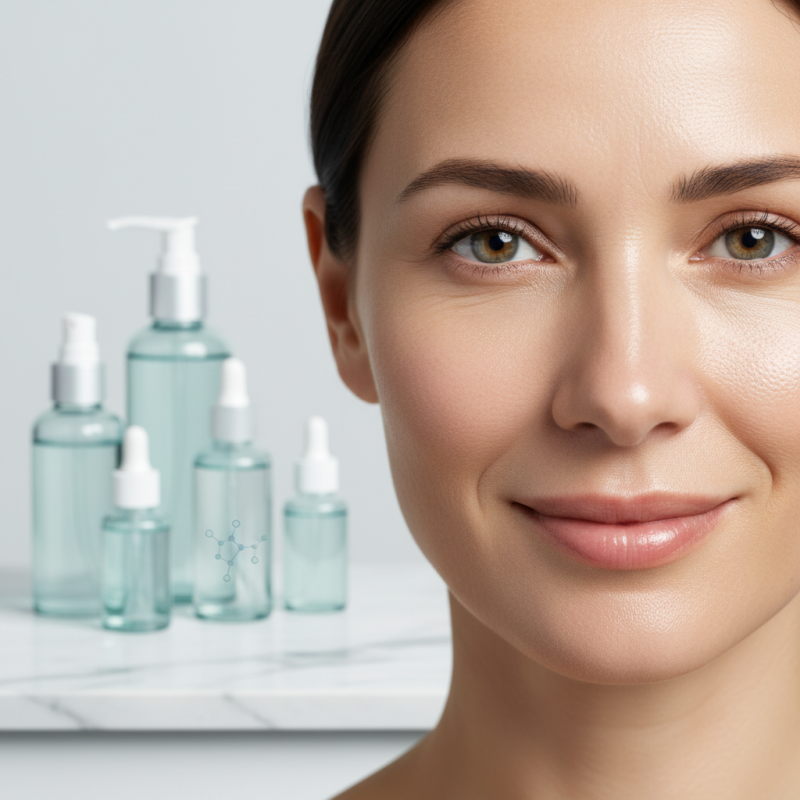
This compound is known for its hydrating properties and is widely used in skincare. Many products on the market boast of containing hyaluronic acid. However, not all are created equal. Pharma Grade Hyaluronic Acid stands out due to its purity and effectiveness.
People seek solutions for dry skin and signs of aging. The benefits of using Pharma Grade formulations are substantial. They provide optimal moisture retention and improved skin elasticity. Yet, consumers often overlook the differences in quality. It's crucial to choose wisely when investing in skincare. With the right knowledge, the benefits of Pharma Grade Hyaluronic Acid are within reach for everyone.
Benefits of Pharma Grade Hyaluronic Acid in Skincare Applications
Hyaluronic acid stands out in skincare for its remarkable benefits. As a humectant, it draws moisture, keeping skin hydrated. This is crucial for maintaining elasticity and combating dryness. It helps plump the skin, reducing the appearance of fine lines. Users often find that their skin feels softer and looks revitalized.
Incorporating pharma grade hyaluronic acid into your routine can enhance overall skin texture. It can be used in serums, creams, and even injectables. Those with sensitive skin may notice fewer irritations compared to other ingredients. It's vital to patch test any new product. Hydration is key, but overuse can lead to a rebound effect.
Tips: Always apply on slightly damp skin for better absorption. Look for products that also contain antioxidants for added benefits. Remember, not every product works for everyone. Experimenting may be necessary to find the right fit.
Role of Hyaluronic Acid in Joint Health and Osteoarthritis Management
Hyaluronic acid (HA) plays a crucial role in joint health, particularly for those suffering from osteoarthritis. According to a study published in the "American Journal of Sports Medicine," HA injections can significantly reduce pain and improve functionality in patients. Research shows that about 50% of individuals with arthritis experience joint pain relief after HA treatment. This underscores its value as a non-invasive management option.
In osteoarthritis, the natural supply of hyaluronic acid in joint fluid decreases, leading to stiffness and pain. HA acts as a cushioning agent. It retains moisture, thereby enhancing viscosity in joint fluid. A study by the European League Against Rheumatism reported a 30% improvement in joint mobility in patients using HA supplements. However, responses can vary among individuals. Some report minimal changes, highlighting a need for personalized treatment plans.
Despite its benefits, HA treatment isn't a cure-all. Some patients may experience side effects, including swelling or pain at the injection site. Regular assessments are vital to determine the best approach. Therefore, while hyaluronic acid offers promising advantages, it's essential to evaluate its effectiveness on a case-by-case basis. Further research is needed to optimize its use in joint health management.
Pharmaceutical Applications of Hyaluronic Acid in Drug Delivery Systems
Hyaluronic acid (HA) has gained attention in pharmaceutical applications, especially in drug delivery systems. This naturally occurring polymer is known for its exceptional ability to retain moisture. It creates a gel-like consistency, facilitating the slow release of drugs.
In drug delivery, HA improves bioavailability. It allows for targeted release, minimizing side effects. However, achieving the right concentration can be challenging. Different formulations may affect drug stability. Sometimes, this leads to inconsistent results.
HA’s role in enhancing cell permeability is noteworthy. It aids in transporting poorly soluble drugs across cell membranes. Yet, the intricate balance between solubility and viscosity often requires careful adjustments. Striking this balance remains a focus for researchers. Validating effective dosage is critical, as too little may lead to ineffective treatment while too much can pose risks.
2026 Best Pharma Grade Hyaluronic Acid Benefits and Uses
| Application | Benefit | Mechanism | Formulation Type |
| Ophthalmic Solutions | Provides lubrication and hydration to the eyes | Forms a moisture-retaining barrier | Sterile Eye Drops |
| Injectable Fillers | Restores skin volume and reduces wrinkles | Attracts water to plump the skin | Dermal Injectable |
| Wound Healing Products | Aids in tissue repair and reduces scarring | Enhances cellular migration and proliferation | Hydrogel Dressings |
| Drug Delivery Systems | Improves drug solubility and bioavailability | Encapsulates drugs for sustained release | Nano and Micro Formulations |
| Joint Injections | Reduces pain and inflammation in joints | Lubricates joint surfaces | Viscosupplementation Injections |
Comparative Analysis of Hyaluronic Acid Sources and Purity Standards
The sources of hyaluronic acid significantly affect its purity and efficacy. Hyaluronic acid can be derived from various sources, including bacterial fermentation and animal tissues. Studies show that fermentation-derived hyaluronic acid often has higher purity levels. For example, industry reports indicate that fermentation methods can achieve over 99% purity. This high level of purity is vital for pharmaceutical applications.
However, not all sources offer the same benefits. Animal-derived hyaluronic acid may introduce impurities like proteins and pathogens. A recent comparative analysis highlighted that 30% of animal-derived samples did not meet strict purity standards. Moreover, contamination risks are higher with these sources. Consumers should consider these factors when choosing products.
Purity standards vary globally. The FDA has guidelines, yet many manufacturers do not adhere strictly to them. Recent data suggests that only 60% of hyaluronic acid products comply with these regulations. This inconsistency can lead to user confusion. It is crucial for professionals in the industry to strive for better transparency and quality control. Ensuring that all sources meet rigorous standards will enhance trust among consumers.
Regulatory Guidelines for Pharma Grade Hyaluronic Acid in the Industry
Pharma grade hyaluronic acid has become increasingly important in the pharmaceutical industry. Regulatory guidelines dictate its purity, quality, and safety standards. Effective regulations ensure that products meet the needs of both consumers and healthcare professionals.
Current reports indicate that the global hyaluronic acid market is expected to grow by 10% annually. This growth reflects rising demand in various sectors, including dermal fillers and lubricants. However, the complexity of compliance can be challenging for manufacturers. They must navigate stringent testing protocols and documentations, which can lead to potential inefficiencies.
Tips: Regular audits and compliance checks can help mitigate risks. Engaging with regulatory experts may enhance understanding of the guidelines. Investing in training for staff can also improve overall quality management. Operational weaknesses are common, and addressing them early is crucial for success.