2026 Top Aliphatic Polyurethane Paint For Global Buyers?
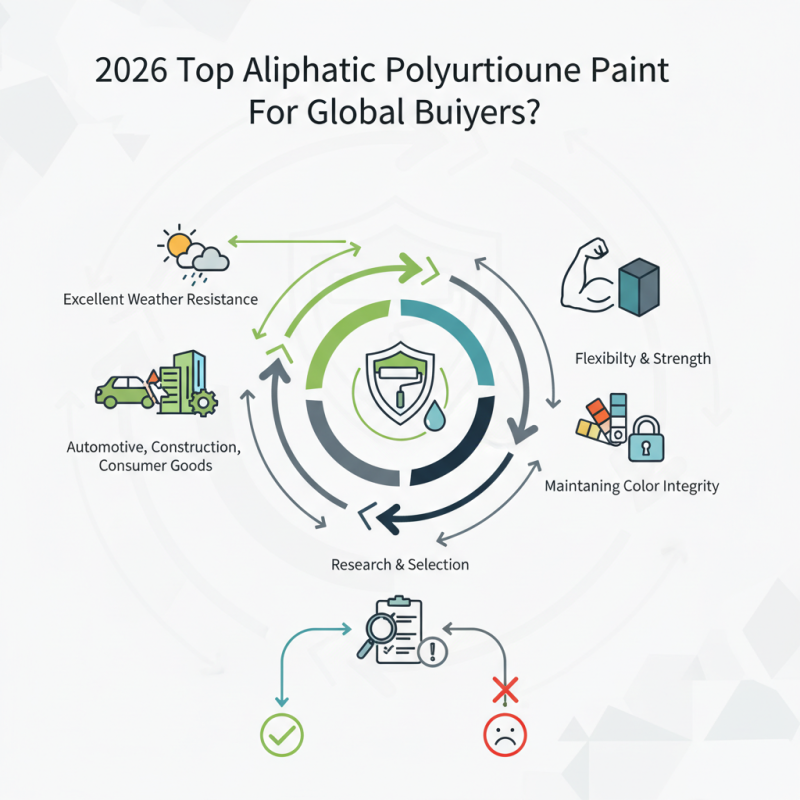
The global paint market is witnessing a significant shift towards high-performance coatings. Among these, Aliphatic Polyurethane Paint stands out for its durability and aesthetic appeal. This type of paint is known for its excellent weather resistance, making it ideal for both indoor and outdoor applications. Many industries, including automotive, construction, and consumer goods, rely on it due to its reliability and versatility.
Aliphatic Polyurethane Paint offers a unique blend of flexibility and strength. It can withstand harsh environmental conditions while maintaining color integrity. Buyers often face challenges when selecting the right product, especially with numerous options available. Understanding the specific needs of your project is crucial. This requires assessing the technical specifications and performance attributes.
While the benefits are clear, there are potential drawbacks. Not all Aliphatic Polyurethane Paints are created equal. Some may not perform as expected in certain climates or conditions. Buyers should conduct thorough research, ensuring they choose a reputable brand known for quality. This careful consideration will lead to better long-term satisfaction with their purchase.
Overview of Aliphatic Polyurethane Paint and Its Applications
Aliphatic polyurethane paint is known for its unique properties. Its versatility makes it suitable for various applications, from automotive to industrial uses. This paint offers excellent durability and resistance to UV light, which makes it ideal for outdoor projects. It maintains color integrity and gloss over time, even in harsh conditions.
In addition to its durability, aliphatic polyurethane paint also provides a smooth finish. This aesthetic quality enhances the visual appeal of coated surfaces. Users often appreciate its ability to withstand weathering and wear, which means less frequent reapplication and lower maintenance costs. However, achieving the best results requires careful surface preparation and application techniques.
While aliphatic polyurethane paint has many advantages, it is not without challenges. Proper ventilation during application is crucial, as the fumes can be hazardous. Quality control is essential to ensure that the final product meets expectations. Potential users should educate themselves on best practices to maximize benefits while minimizing risks. Engaging with experienced professionals can help navigate these complexities effectively.
Key Properties and Advantages of Aliphatic Polyurethane Paint
Aliphatic polyurethane paint is increasingly popular in various sectors. Its key properties make it an excellent choice for many applications. This paint type is known for its vibrant colors and exceptional gloss retention. It remains resistant to UV light, which helps maintain the integrity of surfaces over time. These advantages are crucial for outdoor applications, where exposure to the elements is unavoidable.
One notable benefit is its durability. Aliphatic polyurethane paint forms a strong bond with surfaces, providing long-lasting protection. It also exhibits excellent chemical resistance, making it suitable for industrial environments. Users appreciate its ease of application. However, the curing times can vary, leading to potential delays. Being aware of this can help in planning projects more effectively.
Tips: Always prepare surfaces properly before painting. A clean, dry surface ensures better adhesion. Test paint samples in small areas to check for compatibility. Keep environmental conditions in mind during application. Too high or low temperatures can affect the outcome. Remember, even reliable products can require adjustments for specific situations.
Market Trends and Growth Drivers in the Aliphatic Polyurethane Paint Sector
The aliphatic polyurethane paint market is poised for notable growth in 2026, driven by increasing demand across various sectors. A recent report highlights that this segment is expected to reach a value of approximately $5 billion globally. The rise in construction activities and infrastructure development is a key driver. These paints provide durable, weather-resistant coatings ideal for outdoor applications.
Sustainability is becoming increasingly important. The push for eco-friendly coatings is notable, with a significant shift towards lower volatile organic compounds (VOCs). Current data indicates that products with reduced VOC content are preferred by over 70% of consumers today. This demand reflects a broader trend towards environmental responsibility in the coatings industry.
Innovation in formulations also plays a crucial role. Advances in technology are leading to enhanced performance characteristics. For instance, products now offer better UV stability and scratch resistance. Industry reports suggest that companies focusing on R&D will have a competitive edge. However, challenges remain, such as the rising cost of raw materials, which could impact pricing strategies in the near future.
Leading Global Manufacturers of Aliphatic Polyurethane Paint in 2026
The demand for aliphatic polyurethane paint is on the rise. By 2026, global buyers will look for reliable suppliers. These paints are known for their durability and resistance. They are widely used in automotive, flooring, and protective coatings. The industry has several leading manufacturers, each offering unique formulations.
When choosing a manufacturer, consider the environmental impact of their products. Many companies are turning to sustainable materials. Make sure to review the certification and compliance of their offerings. This ensures you are purchasing responsibly.
It's vital to assess your specific needs. Not all formulations are suitable for every application. Test samples before committing to a large order. Explore different suppliers to find the perfect fit for your projects. This thoughtful approach can save time and resources in the long run.
Buying Considerations for Global Buyers of Aliphatic Polyurethane Paint
When considering aliphatic polyurethane paint, global buyers should assess several critical factors. First, performance characteristics are key. Aliphatic polyurethane paints are known for their excellent UV resistance and durability. Reports indicate that these paints can maintain their gloss and color for extended periods, sometimes exceeding five years under harsh conditions.
Cost is another important consideration. While aliphatic polyurethane paints generally come at a premium compared to other options, their longevity can lead to lower maintenance costs over time. A study from the Market Research Future predicts that the global market for these coatings will grow by 5% annually through 2026, highlighting their increasing demand.
Buyers also need to evaluate environmental and health considerations. Many formulations now comply with stricter VOC regulations, making them safer for indoor applications. Buyers may sometimes overlook these regulations, possibly leading to legal issues or health risks. Therefore, understanding the detailed technical datasheets and safety guidelines is crucial for making an informed decision.